Patch Meta 2026
Last updated: October 1, 2026
This file tracks the patches and meta shifts of 2026. Rust gets a major monthly update plus smaller weekly patches, so what's "current" moves constantly. The August 6, 2026 "Player-Maintained Monuments" update (Facepunch's "Power Trip" devblog) — a map-wide Power Plant power grid fed by new Heavy Fuses — is the newest and biggest systems shift and is covered first below. The July 2, 2026 "Common Ground" update was the biggest social/economy shakeup of the year — an entire rentable-apartment monument, official clans, and a Softcore rework — while May's "Upgrade Hard, Raid Harder" remains the biggest raiding-meta shift.
October 1, 2026 — LIVESTOCK
Auto-posted from the official Rust news feed — pending a full write-up. Source: official patch post.
LIVESTOCKThis patch we are introducing cows and sheep.What resources can THEY GIVE?Both produce dung, cows produce milk, and sheep produce wool.They can also be harvested for meat, bones and leather like any other animal.Additionally, you can sell a grown animal to an NPC in the ranch.How to set up a farm?There are multiple ways to capture wild livestock, some more efficient than others, but they should all be pretty intuitive.When the new navmesh is enabled, NPCs can enter player structures and…
September 3, 2026 — BREACH AND CLEAR
Auto-posted from the official Rust news feed — pending a full write-up. Source: official patch post.
MONUMENT BLOCKERSMonument blockers are a new obstacle we're adding to monuments with red keycard puzzle rooms. They’re intended to slow down early access to the loot at these monuments. They require a significant amount of damage to destroy but once destroyed they won't respawn. You may also find a handful of weaker monument blockers which can be destroyed by melee.We don't think this will have an enormous impact on progression speed but it might make the early wipe a little more interesting for…
August 6, 2026 — "Player-Maintained Monuments" (the "Power Trip" update)
Status: live. Released August 6, 2026 (force wipe, ~19:00 UTC). Everything below is confirmed against Facepunch's official Power Trip devblog and changelist 4044. A few specific numbers from the pre-release staging preview — exact fuse counts per power tier, per-port transformer output, and water/crude volumes — are not restated in the official devblog. Those are labeled community-reported below and should be treated as unconfirmed until wiki.facepunch.com or a live server pins them down.
The headline is Player-Maintained Monuments: any map with the Power Plant gains an island-wide electrical grid that players cooperatively restore by feeding new Heavy Fuses into special fuse boxes at the Power Plant. Not everything comes on at once — some monument perks need more fuses (more restored power) than others before they switch on. The more power the plant supplies, the more perks unlock across the island and the more electricity the new climbable roadside powerline poles carry.
The Heavy Fuse & the power grid
- Heavy Fuse — a new loot item that plugs into the Power Plant's special fuse boxes to fire the island-wide grid back up. More fuses restore more of the grid; each monument feature needs a different amount of power before it comes online.
- (Community-reported from the staging build, not in the official devblog: the intake is a 15-slot bank that accepts only Heavy Fuses; each fuse lasts ~9,600 s / 2h 40m, is consumed one at a time, and can't be pulled back out. Treat as unconfirmed.)
The staging preview described discrete numbered "power phases" gated by exact fuse counts (1–3, 4–9, 10–17, 18+) with per-port transformer outputs of 12 / 18 / 24 / 30 rW. The official devblog does not state these thresholds or port numbers — so the tiering is community-reported. The features below are all confirmed; the fuse-count numbers are not.
What restoring the Power Plant unlocks (all features devblog-confirmed)
- Roadside powerline poles now carry power. The powerline poles with transformers (the white cylinders along roads) provide electricity for your circuits once the Power Plant is running — how much scales with how powered the plant is. These poles are now climbable: just approach and jump, no ladder needed. Wire off them with the Wire Tool (normal Building Privilege rules apply). (Staging said 6 ports at 12/18/24/30 rW per tier — community-reported, unconfirmed.)
- New red recycler (75% efficiency) at the Power Plant, usable only at maximum power. In the same pass, green recyclers outside safe zones were nerfed from 60% to 50% baseline efficiency, restoring to 60% when the Power Plant is sufficiently powered, plus a per-item duration buff from 5 s to 4.5 s at maximum power. Safe-zone (yellow) recyclers are unchanged. See 22 — Recycler Yields.
- Extra Power Plant loot room — a new room only accessible with sufficient Power Plant power.
- Abandoned Supermarket freezer — a new freezer dispenses chilled food while the grid powers it, with an occasional larger food cache.
- Oxum's Gas Station garage — with grid power (or by turning on the backup generator around the side of the building), the garage door works from a switch on the outer wall and the interior car lift becomes operable. Lower it, drive a car on, and when you raise it again head into the cave for a chance at higher-quality car-part spawns.
- Airfield control tower terminals — the refreshed tower has two terminals on its second floor that charge from grid-connected fuse boxes. The smaller terminal increases the rate airdrops fall across the map; the larger terminal calls in a Chinook resupply crate near the airfield tarmac. Terminals slowly lose charge after use, then become available again. (Staging's 240/240 charge, "2× for one hour," and 3-hour reset numbers are community-reported.)
- Dome crude-oil pumping — once the Power Plant is running, a switch on the Large Oil Rig pumps crude oil to the Dome for 20 minutes. You can't scoop it yourself: drain it with a Tanker vehicle module, drive to a car lift, and extract it there. A switch on the Small Oil Rig pumps at half the rate; running both at once gives 1.5× the crude. (Staging's 1,500 / 3,000 crude figures are community-reported.)
- Water Treatment Plant production — roadside water pipes now spawn around the map but start empty. Inside Water Treatment, two gearboxes pressurise a central water tank: with the grid live, drop a Gear into a gearbox (it's consumed and can't be pulled back out) and interact to spin the valve wheel. At full pressure the blades clear the blockages and water flows to the roadside dispensers map-wide; top the pressure up periodically to keep it flowing. (Staging's "15,000 water per station" figure is community-reported.)
- Launch Site satellite crash (new event) — power up the new Satellite Control Computer at Launch Site with Tech Trash + an aiming module, then use the thruster buttons to steer a satellite to a crash site of your choosing (there's no manual — you work out which thruster does what) and lock it in. The descent is visible to every player on the server; after impact it spills satellite loot crates that are lootable once they cool down — and the whole server knows they're there. (Staging's "9 Tech Trash + 1 MLRS Aiming Module, ~10 min" specifics are community-reported.)
Full monument walkthroughs and diagrams (fuse boxes, roadside wiring, Dome crude flow, satellite event) are in 08 — Monuments Guide; the roadside powerline wiring is also covered in 03 — Electricity.
Balance & quality-of-life changes (confirmed in changelist 4044)
- High external walls now have a static 20% upkeep cost. That puts them mid-way in the building-block range (10%–33%) and makes wall-spammed compounds genuinely expensive to maintain — an external TC ringed with high walls now needs real upkeep. See 19 — Base Optimization and 20 — Tool Cupboard. (An earlier staging figure of "+134 wood per wall / +300 per gate" was wrong — it's a percentage upkeep, not a flat amount.)
- Water Well vendor nerf: stock lowered from 10 → 2 per item and restock time raised from 2 min → 10 min (prices unchanged) — no more buying ten jackhammers and ten advanced teas an hour into wipe.
- Apartment rent cap: maximum stored rent at the Apartment Complex is now capped at 72 hours.
- Bucket Helmet: now costs 20 metal frags (down from 35) and gets a small buff to projectile and bite protection (exact new value not stated in the devblog).
- Collared Shirt: small buff to radiation and projectile protection. (An earlier staging note said "Black Shirt" — it's the Collared Shirt.)
- Snow Jacket: sizable buff to bite and cold protection, making it much more useful in the arctic (exact values not stated).
- Blowpipe now costs 10 cloth (down from 25); the Wooden Dart now does 50 damage (up from 40).
- Attachment equip sound: the audible range of equipping a weapon attachment dropped from 60 m → 20 m (see 41 — Stealth & Sound).
- Recycle Bin workbench upgrade now has its own take-only inventory — refunded bonus materials collect there for you to grab later.
- Wolf Headdress (and the Lunar New Year animal-mask variants) now needs a Tier 1 workbench to craft; the masks are now skins of the Headdress.
- Ore nodes and woodpiles no longer spawn in safe zones (they used to pile up un-minable and starve the map's node population).
- Sleeping Bag/Bed compass marker: toggle one bag/bed to show on the compass (interact with it directly), freeing the home map marker; and favourite bags on the death screen to sort them to the top of the respawn list.
- Toggling shields: with a bind set, swap between carrying a shield on your back (and aiming down sights) and holding it up to block — on a short cooldown so it can't be spammed.
- Fishing Village now sells Kayaks and Paddles directly instead of their blueprints.
- Boom Box deployables can now have their volume adjusted; all vehicles got chat emojis; and the Apartment Master Key finally has a model and animations.
- Bar Games Pack DLC: a Pool Table and Dart Board (self-contained 1- or 2-player mini-games), a Juke Box deployable, Mini Fridge and Shotgun Trap skins, bar stools, and themed wallpapers/sprays. Plus a separate Stone Sculpture item DLC you carve by hand.
- Under the hood: a new demo UI (
demo.newui), faster startup/loading, parallel entity saving (UsePlayerUpdateJobs 4), and a long list of fixes — full detail in the changelist.
Auto turret note: a pre-release staging note claimed the Auto Turret's HQM cost would rise from 10 to 25. That change did not ship. The recipe is unchanged: 10 HQM + 1 CCTV Camera + 1 Targeting Computer at WB2.
Meta implications
Monuments become a shared objective. For the first time the map's economy scales with cooperation — a restored Power Plant means faster airdrops, free base power off the roadside poles, Dome crude oil, better recycling, and the satellite event. Expect the Power Plant to become a contested, defended asset on grouped servers, and expect roadside powerline poles to reshape where people base (a pole next door = free power).
Upkeep math changes for wall-spammers. High-external-wall compounds now carry a 20% static upkeep cost — factor it into your external TC (see 20 — Tool Cupboard).
Sources: Facepunch's official Power Trip devblog and changelist 4044, both dated August 6, 2026. Specific staging-preview numbers flagged inline as community-reported remain to be pinned against wiki.facepunch.com or a live server.
July 2, 2026 — "Common Ground" (the apartments & clans update)
What got added
Apartment Complex (new monument)
Rust's first rentable housing: talk to the receptionist in the lobby, rent a room (basement to penthouse, each tier with different perks — more storage, furnaces and more), and keep it by feeding scrap  into the slot next to your door. Rooms move you in with 4 hours of credit; run dry and a 24-hour eviction clock starts — eviction seizes everything inside. A master key (sold by the apartment security NPC for 1,000 scrap) breaks into any occupied room after a 30-second hold and grants 5 minutes of access; a guard in the basement sells hints about which rooms are worth robbing. The attached marketplace has player-rentable shops: non-refundable upfront scrap fee plus per-hour rent (12 hours minimum banked to open), hostile takeovers after 6 hours at 2x cost escalating 3x/4x, 24-hour item retrieval after a shop closes, no drone access, editable signs. Full mechanics and diagrams: the Monuments Guide deep dive.
Official clan system
- Clans are a step up from teams: more members (server-set cap, default 100), roles and permissions, a dedicated clan chat channel, and an announcement/MoTD text.
- Created and managed at Clan Tables, a new deployable. Clan names show on nameplates; nearby clanmates appear on your map.
- Ships with a clan score system (points for Bradley/Patrol Heli kills, hacked crates, elite crates, Cargo runs, Excavator diesel, red-card swipes).
- Disabled in Hardcore mode. More in Map, Markers & Bags.
Softcore rework
- 2x gather on resources in Softcore.
- Raid windows: explosive raiding of building blocks only works 6 PM–9 PM server local time by default. Outside the window, Tool Cupboards project raid protection over walls, floors, roofs, doors, and ladder hatches; deployables and unprotected TCs stay attackable; twig is always raidable; a TC must be 1 hour old to protect. Details in the TC guide.
Cosmetics: Weapon Charms (a new accessory class for 55+ ranged weapons, applied via "Change Accessory", tied to the individual weapon), the Glowing Wallpaper Pack DLC (27 glow-in-the-dark designs for walls, floors, and ceilings), and two limited-time Charity Bear Plushies supporting Cancer Research UK and Ronald McDonald House UK.
What got changed
- Auto Turrets fitted with the burst-only M16A2 now fire in bursts like the gun itself — factor the rhythm into turret gun choice.
- Vending machines, fridges, and wall cabinets accept storage adapters — all three can join the industrial network now (restock vendors by conveyor, pipe food into fridges). They count against the 16-adapter cap like everything else.
- Wallpaper reskinning no longer costs cloth (reskins are free); the crafting/reskin UI highlights the skin you already have applied.
- Fixes: cactus damage while on horseback, M16A2 viewmodel stutter at low FPS, IO entities keeping free power after a reskin. New sprint animation while holding rifles.
Meta implications
Day-0 progression changed. A rented room is instant lockable storage before your first base exists — expect the complex to be the busiest social hub of hour one, and expect its marketplace to compete with roadside vending-machine rows. The master key turns hoarding in your room into a calculated risk: 1,000 scrap is cheap against a fat room, so treat apartments as a staging locker, not a vault.
Clans formalize the zerg. Roles and permissions replace shared-password chaos, clan chat replaces third-party voice for casual groups, and the score system gives big groups a visible ladder. On PvE and small community servers the practical win is organization; nameplate visibility also makes clan tags meaningful in fights.
Softcore is genuinely offline-raid-proof now. Between raid windows and TC projection, a fresh player's base outside 6 PM–9 PM is effectively untouchable (once the TC is an hour old). Expect Softcore populations to grow — and expect prime-time to be genuinely violent, because all raiding compresses into three hours.
Sources: the official Common Ground devblog and changelist; apartment, clan, and raid-window default values verified against a live server running the July build.
June 11, 2026 — post-"Built Different" hotfixes
The week after the June 4 player update, Facepunch shipped a run of hotfixes cleaning up the usual post-patch issues — mostly the new player models, clothing, boats, and a few combat-relevant UI bugs. No wipe and no new content; these land on whatever wipe you're already on.
What got fixed
Player models, clothing, and animations
- Fixed sleeping players playing the waving sound effect and being rotated at odd angles.
- Fixed player eyes not rendering correctly due to the atmosphere volume shader, and footsteps playing while swimming.
- Clothing clipping pass: Hazmat suits clipping into faces when downed, the BDU shirt clipping with the chest plate, hide halter neck clipping, some hairstyles clipping through headwear, and pants appearing too tight. The BDU texture resolution (higher than intended) was also corrected.
- Improved dithering of hair and facial hair, and improved weapon deployment animations.
Combat and UI
- Fixed the save-loadout buttons not working — relevant for anyone rebuilding kits fast on wipe day.
- Fixed another
ProjectileWeaponInformationPanel.EligableForDisplayerror and restored the L96 icon rendering settings. - Fixed render options not displaying for AMD GPU users, and the cart button displaying over the friends UI panel.
Boats, world, and AI
- Fixed player boats capsizing around shores, a higher-than-intended push force on boats, and buoyancy issues when releasing the RHIB from the Cargo Ship.
- Fixed Tigers and Panthers attacking players through bases, and fixed a Linux server crash with
useNewNavmesh. - Fixed the electric furnace not preserving its storage adaptor when reskinned, and the "Not stable enough" toast appearing when deploying some items.
- Fixed vending machine map markers appearing in the wrong locations when clustered.
Several hotfixes also bundled exploit fixes, plus a fix for video playback getting stuck on the first frame after the Unity 6 upgrade. Note the day-one high-polling-rate mouse issue from the June 4 patch is a known issue, not yet resolved by these hotfixes — the workaround is still to drop your mouse below 1000Hz.
Meta implications
Nothing here shifts the balance meta — it's stability and polish on top of "Built Different." The two fixes most worth knowing: the save-loadout buttons work again (faster regear), and animals can no longer hit you through base walls, which quietly makes early-wipe softside bases near forests less punishing.
Sources: the Rustafied weekly recap "Hotfixes and fresh feature work" (June 11, 2026) and the official Facepunch changelog.
June 4, 2026 — "Built Different" (the player update)
What got added
New player models and animations
Facepunch calls this Rust's biggest player overhaul in years. The player model was rebuilt from the ground up: a new skeleton and rig with more realistic proportions, an expanded set of heads with unique materials (eyelashes, improved eye lighting), reworked and expanded hairstyles and beards using new anisotropic hair shaders, and every piece of clothing refit to the new rig. Your face will change after the patch, but race and gender seeds are kept intact. Third-person animations were re-matched to what the viewmodel does, and aiming moved from a straight-on stance to a more natural 3/4 "weaver" stance. Facepunch says responsiveness is unchanged and a player customizer is planned for later in 2026.
New weapon: M16A2
- Loot-only — found in end-game loot, cannot be crafted
- Fires fast 3-round bursts only
- 30-round magazine of 5.56 ammo, 4 attachment slots
- Lower damage per shot than the LR-300 to balance the burst potential
- Most effective at medium-range engagements thanks to its accuracy and rate of fire
Ballistic Armor and BDU (new top-tier attire)
- Ballistic Helmet, Ballistic Vest, and Ballistic Leg Armor — a new armor tier. Loot-only, cannot be crafted; protection is comparable to existing metal armor with armor plates.
- Battle Dress Uniform (BDU shirt and pants) — also loot-only, slightly improved protection over existing clothing options with a few trade-offs elsewhere.
Engine and AI groundwork
- Unity 6 engine upgrade shipped with this patch.
- New custom navmesh (replacing Unity's built-in one) — disabled by default; server owners can enable it with the
-useNewNavmeshlaunch argument. Long-term this is groundwork for animals and scientists pathing into player bases, updated scientist AI on Cargo Ship and Excavator, and cheaper, budgeted pathfinding.
What got changed
- Improved server hit validation for parented players — shots on players riding boats or hot air balloons should stop getting rejected as "projectile invalid." Hit validation now accounts for the previous position of the parent vehicle. Controlled by the
antihack.parenthistoryconvar; enabled on official Facepunch servers first, with a default-on hotfix planned for all servers if it goes well. - Workbench range augmentation now also boosts comfort range.
- Skin viewer upgrade — you can now inspect skins in your hand straight from the store or your Steam inventory menu.
- Auto Turret is the new workshop skinnable (community submissions open June 11), and re-skinning electric components and storage boxes now neatly preserves connected wires and storage adaptors.
- Performance pass — an internal object-pool rewrite for multithreaded workloads, roughly 20 sources of server allocations removed or amortized, and an optimized HUD UI.
- Premium renamed to "Premium Access Pass" — a pure rebrand with no functional changes; the $15 Steam-inventory threshold works exactly as before.
Known issue: after the Unity 6 upgrade, high polling-rate mice (1000Hz+) can cause significant CPU overhead and frame drops. Facepunch recommends lowering your mouse polling rate below 1000Hz in your mouse software (Logitech G HUB, SteelSeries GG, etc.) until a proper fix ships.
DLC this month: the Industrial Decor Pack (20 industrial-themed base items, including color-assignable industrial shelving, storage barrels, an Industrial Auto Turret, furnace skins, and an animated garage door), the Bowless Crossbow skin, and a Discord-shop-exclusive Wumpus Plush deployable that grants 70% comfort.
Meta implications
Loot-only late game. The clear theme of this patch: the M16A2, Ballistic Armor, and BDU all cannot be crafted. Like the loot-only workbench augmentations from May, the best gear now comes from getting out of the base and fighting for it. Expect end-game crates and elite-tier monuments to be even more contested — a group that ignores them now leaves a real kit gap on the table.
Combat: the M16A2 slots in as a mid-range burst rifle — less per-shot damage than the LR-300, but a fast time-to-kill when all three burst rounds connect. Ballistic Armor roughly matches metal armor with plates, so the gap between "crafted best" and "looted best" is real but not extreme.
For boat and water players: the parented hit-validation fix means shooting at (and from) moving boats and hot air balloons finally registers more reliably — directly relevant to the post-Naval-update water meta.
Looking ahead: the new navmesh is off by default, but it is the groundwork for NPCs and animals entering player bases — base designers should keep an eye on this in future wipes.
Common community reactions
- The new player models are broadly welcomed, with the usual wariness about performance; Facepunch says internal performance metrics are positive and seed continuity is preserved.
- Loot-only top-tier gear continues to divide players — the same debate the loot-only augmentations sparked in May.
- The Premium → "Premium Access Pass" rebrand drew skepticism, since the devblog ties it to future monetization plans.
- The high polling-rate mouse issue is the most-reported day-one annoyance; the workaround is lowering the polling rate.
Sources: the official Built Different devblog and patch post, plus the Player Update changelist.
May 7, 2026 — "Upgrade Hard, Raid Harder" (the mortar patch)
What got added
Mortar (deployable weapon)
A new placeable structure-damage and anti-personnel weapon that fires arcing rounds over long range. Stats:
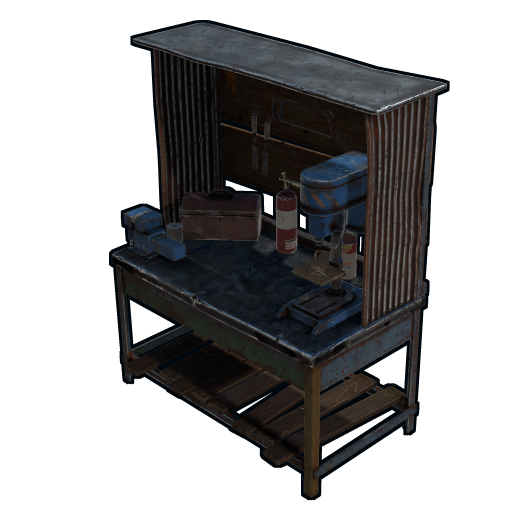
- Tier: Workbench 2
 craft
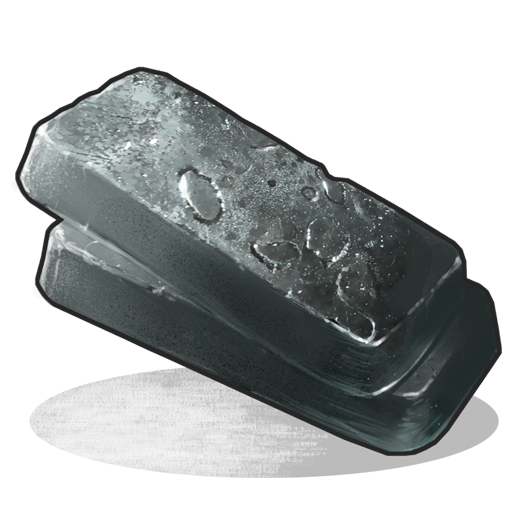
craft - Cost: HQM
 + metal pipes
 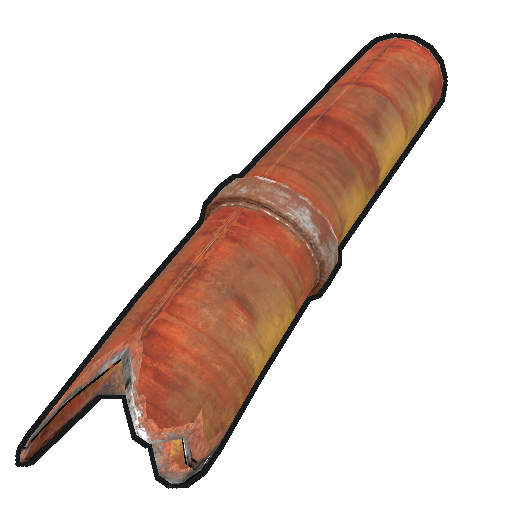 (specific values: ~50 HQM + 10 pipes, researched at 250 scrap )
 - Placement: requires flat ground
- Ammunition: HE rounds (structure damage) and Frag rounds (AoE crowd control vs. players)
- Range: long (longer than rocket
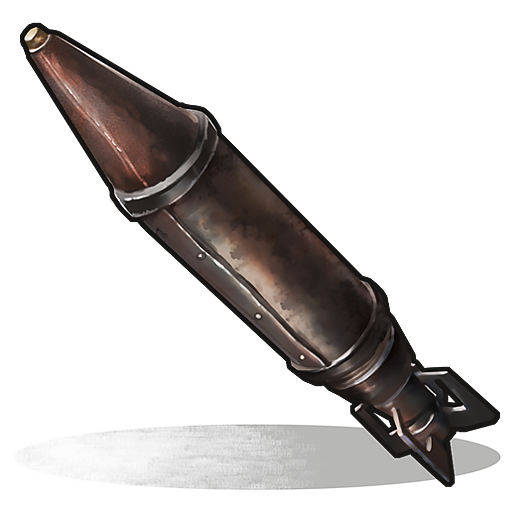 launcher)
 - Aiming: no reticle, no trajectory arc, no visual aid. Trial-and-error only.
- Cost per HE round: meaningful — comparable to crafting a satchel charge
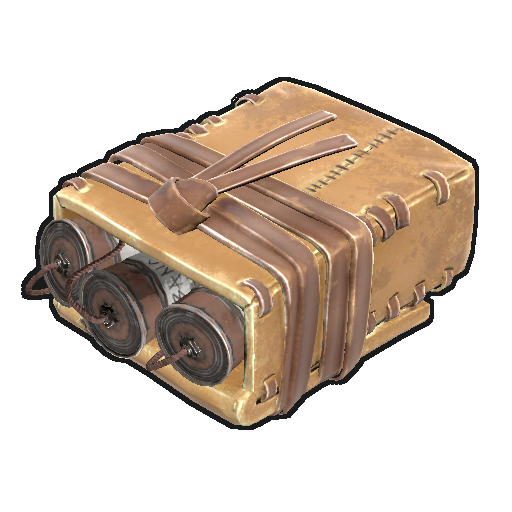 in materials
The mortar is the only structural raid tool that fires from outside the visible defense radius of an auto-turret 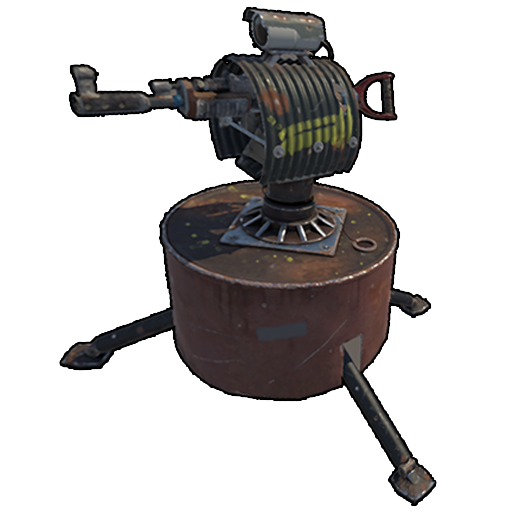 . This is the key meta shift: bases that relied on turrets to keep raiders outside rocket range now need to think about overhead defense.
Workbench upgrade system
Workbench Level 2 received a 9-module upgrade system. Each module provides a different bonus when slotted (crafting speed, research discount, energy efficiency, etc.). Critically:
- Modules are not craftable — only found as loot
- They're rare drops from Workbench Crates and high-tier loot
- You can mix-and-match modules in one WB2
This makes WB2 more interesting and gives a reason to keep grinding crates after you have a full WB3 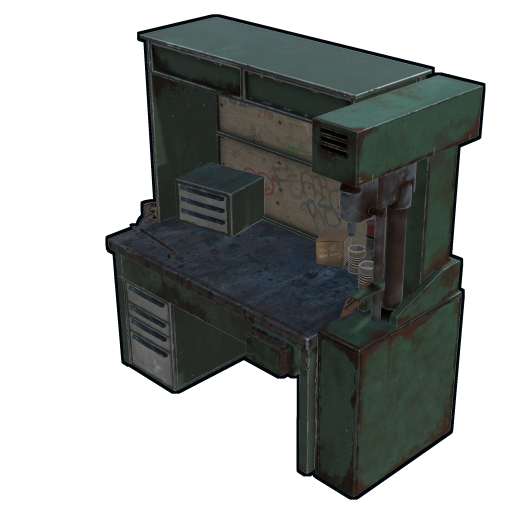 .
.
Player Customization
Cosmetic update letting you customize face/skin/hair more deeply. Cosmetic only, no gameplay impact.
What got changed
- Auto-turret damage received a slight tweak (reduction on body damage, increase on headshot to maintain TTK against unarmored). Roughly equivalent overall. (community-reported)
- Reload speed on AK and SAR received a minor reduction (~5%). (community-reported)
- Recoil pattern on AK slightly reshuffled. Veterans noticed, casuals didn't. (community-reported)
Meta implications
For small bases (1x1, 2x2 solo/duo): very little change. Mortars are inefficient against small footprints — the cost-per-wall via mortar exceeds C4 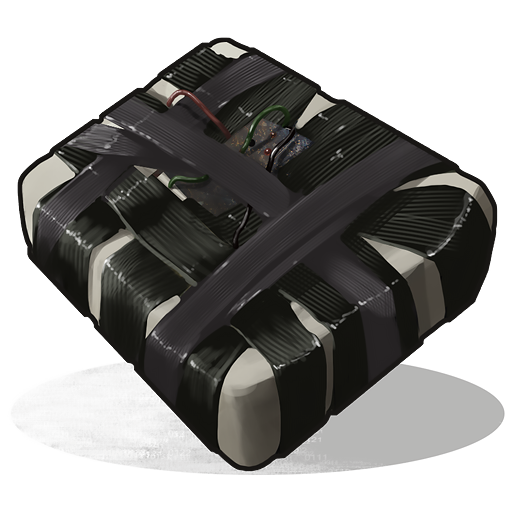 . Raiders won't mortar a 2x2 because it's cheaper to ladder up.
For trio (3x3) bases: modest impact. Slightly more vulnerable if exposed in open terrain but still mostly raided via traditional explosives.
For clan compounds: big impact. Wide-footprint compounds with external walls are now hittable from outside the visible defense range. Mortars don't need the raider to be in turret -fire range. Compounds need:
- Overhead roofing across courtyards (roof spam)
- External walls pushed further from real structures (mortar setup requires the raider to be on ground; further walls = longer mortar travel = harder)
- Mobile defenders on the perimeter during prime time
- More smart-alarms tied to perimeter walls
For raiders: the mortar is a high-skill weapon because there's no aim aid. Trial-and-error means the raider sets up, fires test rounds, adjusts, then fires the structure-damage rounds. This takes time — a base with active defenders can punish a mortar setup. Best mortar usage: offline raids on compounds with no live response.
Common community reactions
- Solos largely unaffected; meta unchanged.
- Mid-tier players appreciate the WB2 upgrade hunt.
- Clan players split: some love the new "fortress vs siege" feel, others feel it forces wider compounds and more upkeep math.
- Streamers are still figuring out optimal mortar setups; expect mortar-tactics videos through May/June 2026.
Pre-April 2026 patches (for context)
March 2026 — Train Network Expansion
- New rail line additions
- New monument: Train Junction Hub (small, mid-tier loot)
- Workcart fuel tweaks (slightly more efficient)
Minor impact on meta. Train Yard runs slightly more popular as result.
February 2026 — Industrial Quality of Life
- Industrial crafter
 UI improvements
 - Conveyor
 filter category additions
 - Minor balance: industrial throughput slightly increased
January 2026 — Wipe Season Stability
- Performance improvements
- Bug fixes
- Tech Trash
 respawn rate adjustment (slightly more in some monuments)
Anticipated upcoming patches (rumored / community speculation)
Status check, July 2026: none of the rumors below landed in the July 2 "Common Ground" update — Facepunch shipped apartments, clans, and the Softcore rework instead, none of which the rumor mill called. Treat this list accordingly.
These are not confirmed by Facepunch but are speculated from devblog posts and community datamining:
- A horticulture deep-rework speculated for summer 2026 — possibly adding a new plant or genetics rework
- More mortar ammo types speculated for May/June 2026 (incendiary mortar?)
- Workbench upgrade module crafting speculated as eventual addition (currently loot-only is divisive)
- More underwater content consistent with previous years' summer themes
If you're reading this in late 2026 and any of these landed, treat the rest of this library as patch-relevant in the same way: numbers may have shifted, mechanics may have a new layer. Always check the patch notes when you log into a new wipe.
How the meta shifts through a wipe in 2026
Wipe day 0–24h:
- Wood  -to-stone
  transitions
- 1x1 starters, 2x2 mid-progression
- Most PvP with primitive weapons
- Bandit Camp scope arbitrage already in full swing
transitions
- 1x1 starters, 2x2 mid-progression
- Most PvP with primitive weapons
- Bandit Camp scope arbitrage already in full swing
Wipe day 24–48h:
- Most solos at 2x2 stone , Workbench 2
- First auto-turrets going up
- First monument runs at Power Plant / Train Yard
- Cargo Ship attempts begin
Wipe day 48–72h:
- Stragglers complete 2x2; ahead-of-curve players have 3x3 and full industrial
- Clan compounds emerge; mortar threats now relevant
- C4 starts being crafted in numbers
- First major raids happen
Wipe day 4–7:
- Mid-wipe peak. Most bases now have at least 1 turret .
- Mortar use peaks vs. exposed compounds.
- Underwater Labs get heavy traffic.
- Patrol Heli kills become routine for clans.
Wipe day 7+: - End-game. Compounds fortified or destroyed. Solos either thriving or wiped. - Server population drops 30–50% from peak. - Bandit gambling and scope arbitrage continue for stragglers. - Wipe ends; cycle repeats.
"What changed compared to my old guide?" quick check
If you've read a Rust guide from 2024 or 2023, here's the short list of things that are different:
- The Apartment Complex exists (July 2026). Rentable rooms, player-run shops, and a 1,000-scrap master key for burglars.
- Clans are official now (July 2026). Clan Tables, roles/permissions, clan chat, map presence — no plugin needed.
- Softcore has raid windows (July 2026). Default 6 PM–9 PM; TC-protected building blocks are unraidable outside them.
- Mortars exist now (May 2026). All compound design assumes them.
- WB2 has upgrade modules (May 2026). Hunt for them in WB crates.
- Train Network is bigger (March 2026). New Train Junction Hub monument.
- Industrial system is mature (added 2023, fully iterated by now). 16-adapter cap still in force.
- Horticulture is mature (rework was in 2021–2022, current system is stable).
- Recycler efficiency changed in August 2026. Safe-zone (yellow) recyclers are unchanged at the reduced 40% rate. Recyclers outside safe zones (green) now run at 50% baseline (nerfed from 60%) and restore to 60% only when the Power Plant grid is powered; a new red recycler at the Power Plant runs at 75% at maximum power.
- Tea system unchanged from 2023. Scrap tea (Yellow + White): +100% scrap from barrels (Basic), +350% (Pure), 30 min.
- Auto-turret recipe: 10 HQM + 1 CCTV Camera + 1 Targeting Computer, crafted at WB2 .
Pro tips on staying patch-current
- Read Facepunch's monthly devblog at https://rust.facepunch.com/news. Posted around the first of each month.
- Watch the Rustafied weekly update post. Captures patches and meta shifts.
- Follow @PlayRust on Twitter/X for breaking patch announcements.
- Don't trust YouTube guides over 6 months old for specific numbers. Mechanics rarely change but values frequently do.
- In-game, check the patch banner on the title screen — it tells you what month's patch is live.
Workbench Augmentations — the May 2026 sleeper system
The mortar grabbed headlines, but the Workbench Augmentation system is the May 2026 change that quietly reshapes mid-game economy. Augmentations are nine unique modules that slot into a workbench. They are not craftable — they only drop from loot (locked crates, elite crates, monument tiers), which makes them a genuine progression chase rather than a recipe to grind. Only one of each type can sit in a single workbench at a time, so a fully kitted bench is a real long-term project.
| Augmentation | Effect | Why it matters in the meta |
|---|---|---|
| Accelerated (community-reported) | Crafting stacks finish far faster — roughly a 75% time reduction on large batches (25% faster per item beyond the first) | Turns a 5-minute ammo craft into a 1-minute craft. Huge for raid-prep nights. |
| Prototype (community-reported) | Research any item directly without climbing the tech tree, at 2x scrap cost and a 10% fail chance | Lets a fresh-spawn group skip straight to a key recipe. Failure burns the scrap, so it is a gamble. |
| Comfort (community-reported) | Raises comfort to 100% in the workbench aura | Passive heal-while-crafting. Minor, but stacks well with a base AFK spot. |
| Recycle Bin (community-reported) | 10% chance per craft to refund the ingredient cost | Compounds over a wipe — effectively a small free-material tax rebate. |
| Salvage (community-reported) | Reduces scrap cost of tech-tree research on that bench by 20% | Best-in-slot for a clan running a shared research bench. Pairs with Prototype. |
| Reinforced (community-reported) | +150% workbench max HP and 50% explosive damage reduction | The defensive pick — protects your tech investment from a raid sweeping the bench room. |
| Range (community-reported) | Doubles the workbench aura radius for starting/continuing crafts | Lets you craft from a loot room or peek spot instead of standing on the bench. |
| Efficiency (community-reported) | Reduces material cost of crafts within the aura | The pure economy pick — every craft you do becomes cheaper. |
| Surplus (community-reported) | Tooltip references items not yet in the game | A teaser augmentation. Hold onto it; its value is speculative until a future patch activates it. |
Meta takeaway: augmentations create a soft "loot tier" above guns. A clan that finds Salvage + Accelerated + Reinforced early has a measurable tempo advantage over one that does not. Because they are loot-only, monument-running became more valuable in May 2026 — a group that ignores the Tier-3 monuments now leaves real power on the table. Treat a dropped augmentation like you would a tier-3 weapon: it is worth a detour to secure.
The 2026 force-wipe calendar (verify before you commit a wipe)
Rust force-wipes on the first Thursday of every month, when Facepunch ships the monthly update. The reference time is roughly 7:00 PM London time (BST/GMT) — though the actual update can land earlier or slip a few hours. Every server in the world is required to generate a fresh map at force wipe; your base, your loot, your blueprints (on a normal "monthly" server) are all gone. Knowing the calendar lets you plan whether a wipe is worth investing a full base into.
| Month | Force-wipe Thursday | Notes |
|---|---|---|
| January 2026 | Jan 1 | New Year update — wipe-season stability patch |
| February 2026 | Feb 5 | Industrial QoL |
| March 2026 | Mar 5 | Train Network Expansion |
| April 2026 | Apr 2 | Pre-mortar patch |
| May 2026 | May 7 | "Upgrade Hard, Raid Harder" — mortar + workbench augmentations |
| June 2026 | Jun 4 | "Built Different" — player model overhaul, M16A2, Ballistic Armor |
| July 2026 | Jul 2 | — |
| August 2026 | Aug 6 | — |
| September 2026 | Sep 3 | — |
| October 2026 | Oct 1 | — |
| November 2026 | Nov 5 | — |
| December 2026 | Dec 3 | Usually a lighter holiday patch |
How to use this: a fresh base built two days before force wipe is wasted effort. Most experienced players treat the final 48 hours of a wipe cycle as "coast mode" — they stop upgrading, spend down resources, and farm fun rather than progression. Conversely, the seven to ten days right after a force wipe are the highest-value window of the entire month: population peaks, loot is dense, and everyone is on equal footing. If you only have limited play hours, spend them in the first week after the first Thursday.
Force wipe vs. map wipe vs. BP wipe — knowing what you're joining
"Wipe" is not one thing, and choosing the wrong server type wastes your time. Three distinct wipe behaviors exist in 2026:
- Force wipe (first Thursday): Facepunch-mandated. Map regenerates everywhere. On monthly-BP servers, blueprints also reset, so everyone starts from naked.
- Map wipe (weekly or biweekly): a server-admin choice between force wipes. The map regenerates and loot resets, but on a "weekly" server blueprints are kept — you respawn with your tech progress intact. This is the most popular community format because it gives fresh-map action without re-grinding the tech tree.
- BP wipe: resets blueprints only. Rare as a standalone event; usually bundled into a force wipe.
Read a server's title and description carefully. "Weekly / BP wipe monthly" means map every week, tech tree every first Thursday. "Vanilla monthly" means a true from-scratch grind every force wipe. "Biweekly" servers wipe the map every two weeks. If you enjoy the early-game scramble, monthly vanilla is for you; if you want to fight with good gear sooner, weekly-BP is the friendlier choice.
Reading a patch note like a meta player
A patch note is not a changelog to skim — it is a map of where the next wipe's power will concentrate. When the monthly devblog drops, scan it in this priority order:
- New deployables and weapons. Anything new is, by definition, untuned. The mortar launched with no aiming aids and is still being balanced — early adopters who practice it get a window of advantage before everyone catches up.
- Raid-cost changes. Any change to explosive crafting cost, door HP, or wall HP directly resets the raid economy. If sulfur-per-wall shifts even slightly, your base design math changes.
- Loot table edits. "Item X now drops from crate Y" silently changes which monuments are worth running. Augmentations being loot-only is the clearest 2026 example.
- Stealth nerfs in the "Fixed" section. Facepunch frequently buries meaningful balance changes under "fixed an exploit" wording. Read every line.
- Performance and networking notes. Tickrate, networking, or culling changes affect peeker's advantage and desync — the invisible layer of every gunfight.
The single most reliable habit is to never trust a guide's numbers that is more than a couple of months old. Rust's mechanics are stable for years; its values — costs, HP, damage, timers — drift every single month. When in doubt, confirm against rustlabs.com, which updates within days of each patch.