New Player Onboarding
Last updated: May 18, 2026
You just installed Rust. You're about to spawn naked on a beach. You will die many times. This file is the survival guide for surviving the first 8 hours and not quitting.
What is Rust?
Survival multiplayer game. You spawn naked on a server with up to 200 other naked players. You build a base, gather resources, kill animals, fight other players, and try to survive. Wipes happen weekly or biweekly on most servers — meaning everyone starts from scratch.
There is no real "win condition." You play to survive longer, raid more, build bigger, until next wipe.
First-time setup
Settings to change before first match:
- Mouse sensitivity: start at 0.3 in Rust. Adjust to taste.
- Field of View: 90 (max).
- Graphics: start at Medium. Drop to Low for FPS if needed.
- Voice push-to-talk: bind to V or your preferred key.
- Resolution: native resolution of your monitor.
Picking your first server
Filters that matter:
- Vanilla 2x — modded "2x gather rate" Vanilla = good entry. Faster progression.
- Population: 50-100 players is the sweet spot for new players. 200+ is brutal.
- Wipe schedule: weekly wipes = always fresh starts. Monthly = harder but more depth.
- Region: pick a server geographically close to you for low ping (under 100ms ideal).
- No KOS rules: "RP" or "PvE" servers prohibit kill-on-sight. Easier for learning. Real game is PvP though.
Recommended for your first wipe: a vanilla 2x weekly-wipe server, 100 max players, low-medium population, region matching yours.
Tutorial Island — do it once, before the real wipe
Rust has an official tutorial since the March 2024 "Lighting The Way" update. New players get prompted on connecting to a compatible server; anyone with 50+ deaths has to enable it manually via the Options menu. It runs on an isolated island other players cannot reach, and walks you through the twelve basics: movement, crafting, building and upgrading, respawning, combat, resources, looting, cooking, furnaces, workbenches and driving a vehicle.
Where it fits in your first hour: before it. Facepunch's estimate is under 30 minutes if you know FPS controls, around an hour if you don't — and it replaces the usual first hour of dying to things a prompt could have explained. It grants zero advantage: you drop into the real game with the same resources as everyone else, so the only cost is time.
Two caveats. Availability is a server-side convar (server.tutorialEnabled, off by default per the announcement), so plenty of servers never show the prompt. And it teaches systems, not players — nothing on the island shoots back on purpose. Treat it as controls class, then start the first-hour goals below for real.
Why you keep dying
Common new-player death causes, ranked:
- KOS at spawn: another player shoots you for fun. Inevitable. Just respawn.
- Wandering into a monument with no gear: scientists kill you. Don't enter monuments unarmed.
- Sleeping naked. Wake up to a 1-rocket
 raid. Always sleep in armor.
 - Engaging a fight you can't win: never fight unless you have to.
- Forgetting hunger/thirst: you stop regenerating and slowly die.
- Falling from a height: 15m+ falls = lethal.
- Eating raw meat
 : food poisoning damages you. Always cook first.
 - Drinking ocean water: dehydrates and damages.
- Approaching a bear naked: bears kill you in 3 hits.
- Raid in progress, you die in the doorway: never push a raid alone.
Your first hour goals
In order:
- Punch trees and rocks
 . Get 500 wood
  , 200 stone
 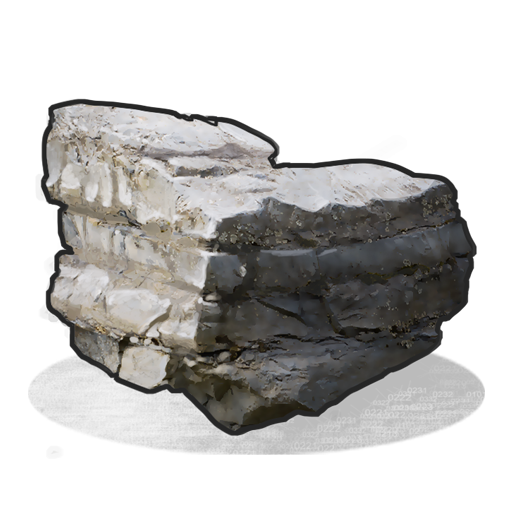 .
. - Run away from spawn area (other naked players).
- Find a quiet location. Place a building plan
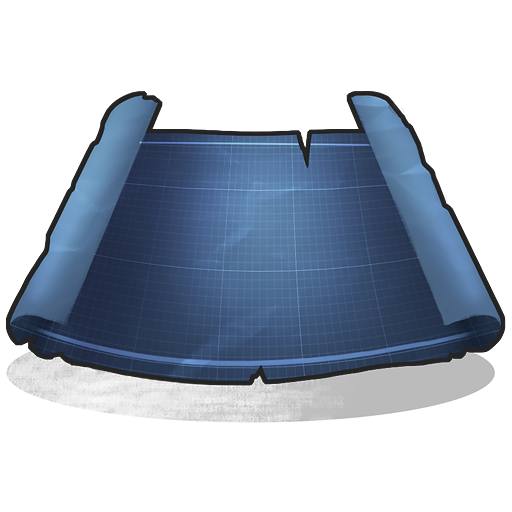 , build a 1x1 wood shelter with wood walls/door.
 - Place a Tool Cupboard
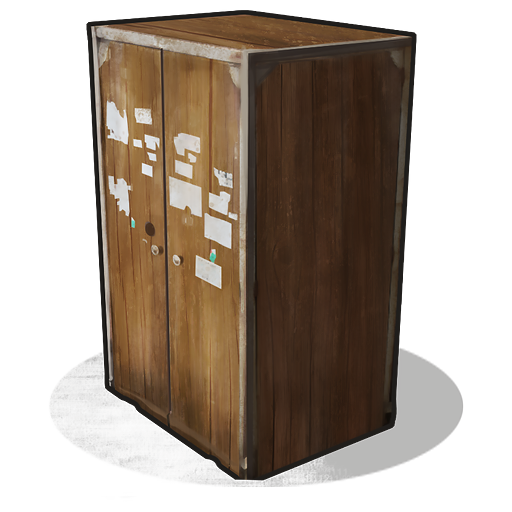 inside (1k wood ).
 - Place a sleeping bag
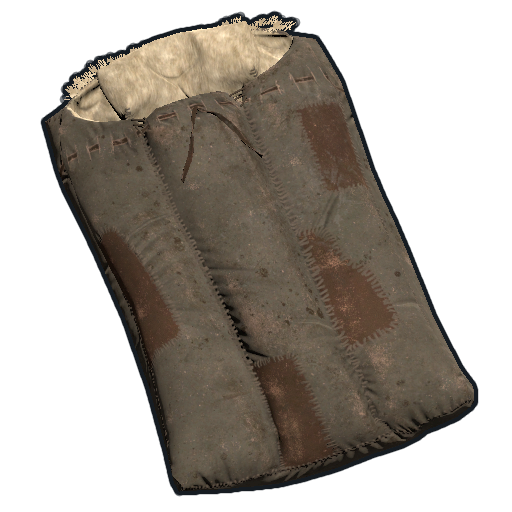 (30 cloth
 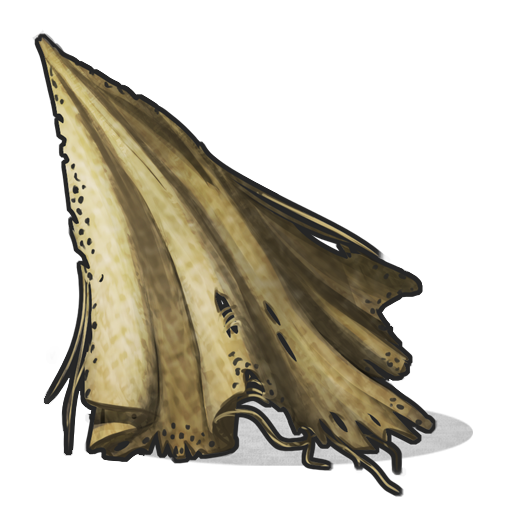 from killing a deer).
 - Place 1-2 wood storage boxes.
- Eat a cooked deer or some berries
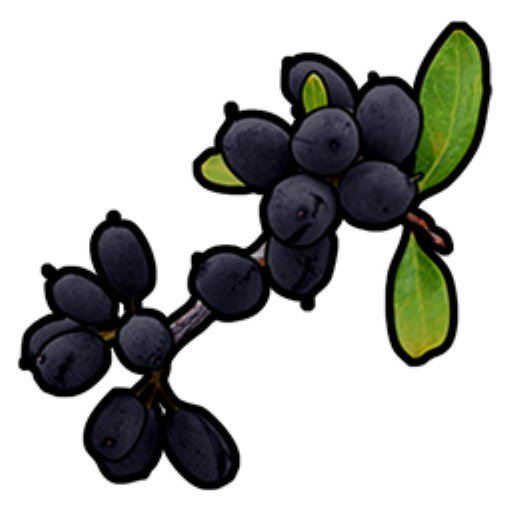 . Drink water from a river.
 - Visit a Lighthouse — easy crates, 50-80 scrap
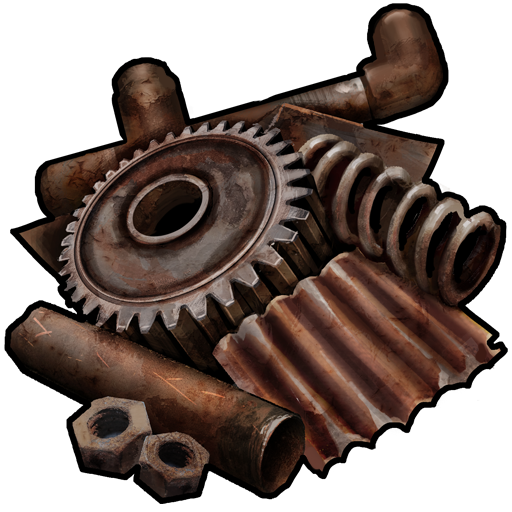 .
.
By hour 1, you have a tiny shelter, a respawn point, basic loot. You won't be raided yet (you're not interesting enough).
Your first day goals
- Build a stone 1x1 (upgrade your wood shelter): 1,500 stone
- Get to Workbench 1
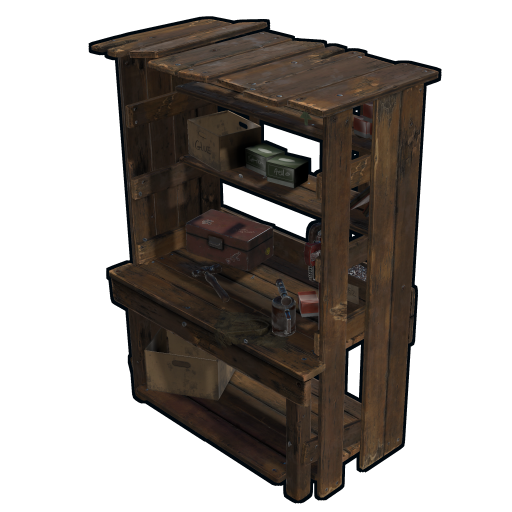 (craft = 500 wood + 100 metal frags
 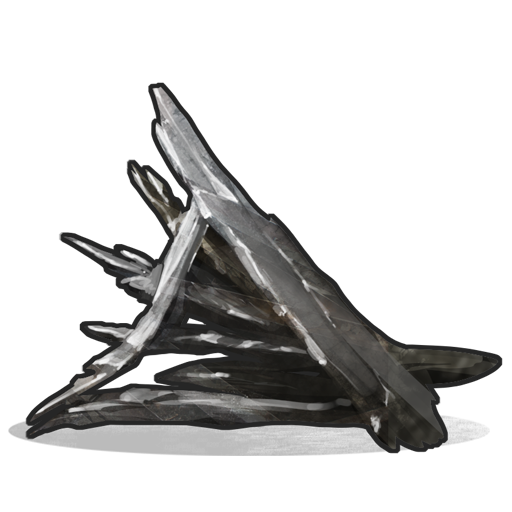 , or find at Outpost/Bandit)
 - Make a basic weapon: Eoka pistol
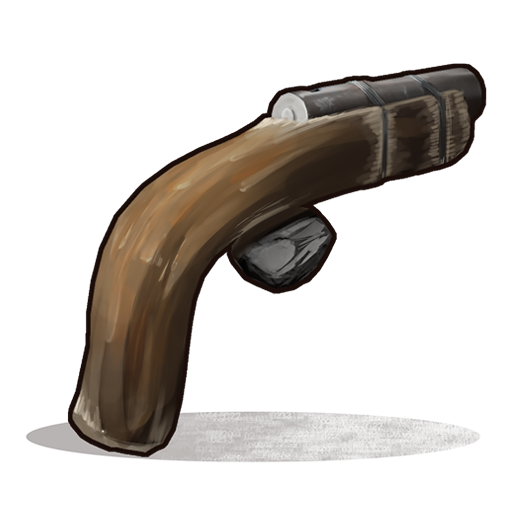 (75 wood + 30 frags ) or bow + 20 arrows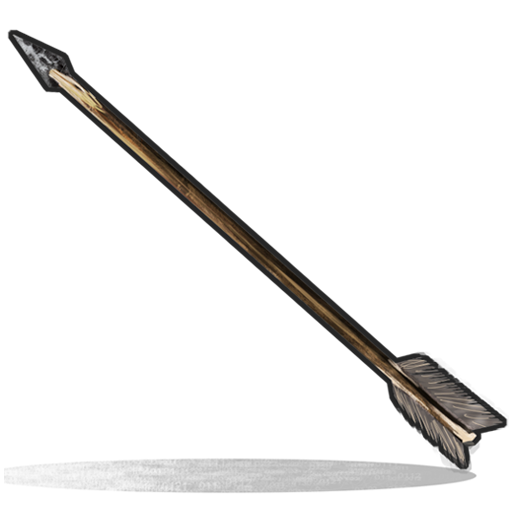
- Hit 2-3 monuments: Lighthouse, Junkyard, Abandoned Cabins
- Bank 200+ scrap
- Get sheet metal door
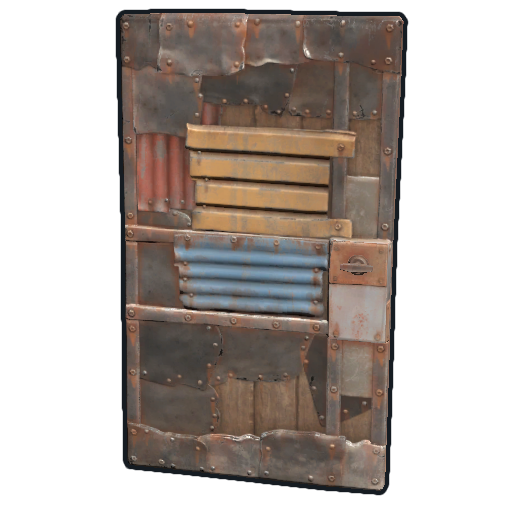 (150 frags )
What to do when you die
- Respawn at your sleeping bag (T to use it).
- Run back to your corpse if possible — your loot is on it, decays over 30 min.
- If your bag is at a stranger's base — that bag is exposed; place a new one safer.
- If you died in a heated fight — wait 5-10 min before pushing back. Stalemate is okay.
When to hide
The game has natural "quiet hours" where almost no one fights — early morning server time. Use these to monument-run safely.
When you see/hear other players:
- Crouch, listen, watch. Don't sprint into the unknown.
- Hide behind cover. Don't expose your silhouette on hills.
- Move at night. Players are less attentive after dark.
Useful early-game tips
- Stockpile basic resources before logging off. Wake up to a fully-stocked stash.
- Build hidden caches: small boxes outside your main base for emergency gear.
- Sleeping bag near your loot: if raided, you spawn next to your stuff.
- Don't argue in chat. Stay quiet. Loud chat draws attention.
- Learn to identify weapons by sound: AK sounds different from MP5
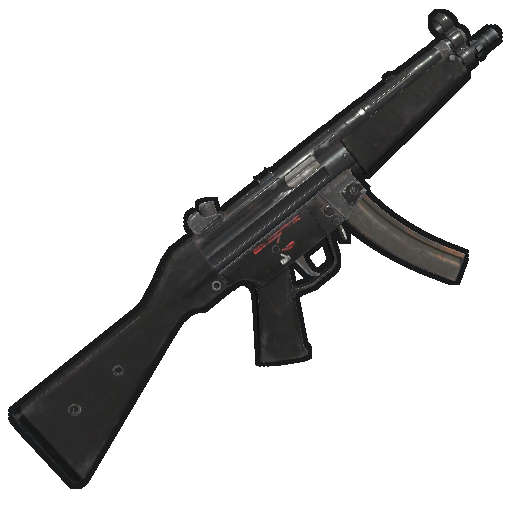 , satchel
 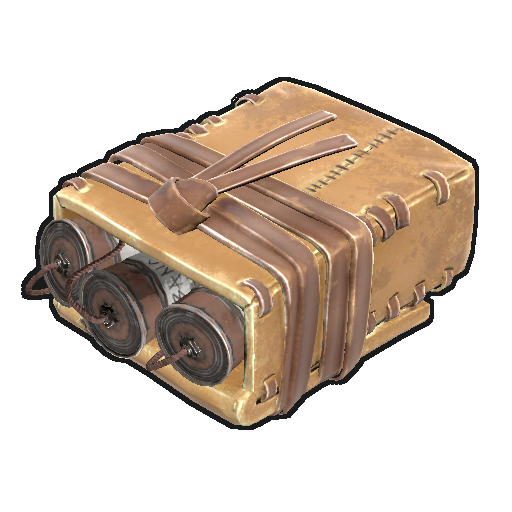 different from rocket . Audio = info.
 - Don't run with all your gear. Bring a backup set so death doesn't ruin your day.
When to quit (the wipe, not the game)
The wipe is over for you mentally when:
- Your main base just got raided cleanly. Start fresh next wipe.
- You died 3 times in a row to the same enemy. Take a break, log back later.
- It's been 4+ days into wipe and you have no progress. Likely on too-hard a server.
Useful concepts to learn first
- Workbench tiers —
01_Building.mdand09_Wipe_Day_Playbook.md - Honeycombing —
01_Building.md - Soft/hard side rule — every external wall, every time
- Recycling —
07_Scrap_Farming.md - Tea brewing —
16_Tea_Recipes.md(intermediate-advanced)
What's next?
Once you've survived a few hours:
- Read
09_Wipe_Day_Playbook.mdfor the hour-by-hour optimal progression - Read
01_Building.mdfor proper base building math - Read
07_Scrap_Farming.mdto understand the economy - Read
12_Combat_and_PvP.mdfor actual gunplay - Read
08_Monuments_Guide.mdfor where to find loot
You'll die a lot. That's the game. Every wipe you'll die less. After 100 hours, you'll know what you're doing. After 500 hours, you'll be the one killing nakeds at spawn.
GG.
Understanding the wipe lifecycle — why timing changes everything
Rust is not played at a constant difficulty. A server's danger level swings dramatically across the wipe cycle, and a new player who understands the curve can pick the safest windows to play.
- Wipe day (hours 0–8): everyone is naked or in cloth/wood gear. This is paradoxically the safest time to be new — nobody has an AK, deaths cost almost nothing, and a fast learner can keep pace with veterans. If you only play one session a week, make it wipe day.
- Days 2–4: the gear gap opens. Established groups have rifles, armor, and explosives; you do not. Roam less, build smarter, stick to monuments during quiet hours.
- Days 5–7 (late wipe): the server thins out as people lose interest, but the players who remain are fully kitted. The map is quieter but every encounter is lethal. Good time to farm in the dead hours, bad time to pick fights.
Check the server's wipe schedule before you join. A "weekly Thursday wipe" server joined on a Wednesday means you get one day before reset — almost pointless. Joining within a few hours of a fresh wipe gives you the full, fair run.
Gear fear and the loot cycle — the core mental skill
The single biggest thing separating a new player from an intermediate one is not aim — it is managing gear fear. Gear fear is the anxiety of losing what you are carrying, and it makes new players play scared, hide their good loot, and never use it. The fix is to internalize the loot cycle: gear is a renewable resource you spend, not a trophy you protect.
Concretely, this means always operating with two loadouts. Your "naked kit" is a stone tool, a bow or revolver, a bandage, and some food — the kit you roam and farm in, cheap enough that dying to it costs nothing. Your "fight kit" is your real gun and armor, kept in a box at base, brought out only for a planned engagement or a raid. When you die in your naked kit, you shrug and respawn. When you bring the fight kit, you have already accepted you might lose it. Players who never separate the two either roam in full gear and lose it constantly, or hoard a rifle they are too scared to ever fire.
The naked-rush principle
Because dying naked costs nothing, a "naked rush" — running at an objective or even a player with only spawn rocks and torches — is a legitimate, low-risk play. New players are often too cautious here. If a monument's puzzle room is contested, a naked body that dies achieves nothing lost. Spend your free lives. The respawn timer is the only currency a naked rush costs.
Choosing a base location like a veteran
Where you place your first real base matters more than how you build it. Walk past the first flat patch of ground you see and evaluate against these factors:
| Factor | What to look for | Why it matters |
|---|---|---|
| Resource access | Trees, ore nodes, and a water source within a short run | Cuts farm trips; less time exposed in the open |
| Monument proximity | One mid-tier monument (Supermarket, Mining Outpost, Gas Station) nearby — but not adjacent | Easy scrap runs without being on a fought-over hotspot |
| Build footprint | Flat-enough ground with room to honeycomb and expand | You will want to grow the base; a cramped spot traps you |
| Sightlines | Some natural cover, not silhouetted on an open hilltop | A base visible from a road advertises itself to every roamer |
| Neighbours | Not wall-to-wall with a large clan base | Big neighbours raid small ones for easy loot and practice |
The ideal first-base spot is "boring": tucked into trees, near resources, close enough to one monument to farm it, far enough from roads and big clans to be uninteresting. Avoid the temptation of a scenic clifftop — scenery is for screenshots, not survival.
Inventory and hotbar discipline
Sloppy inventory management gets new players killed in the moments that matter. Build habits early:
- Fixed hotbar layout. Always put your weapon, healing, and tool in the same slots so your hands find them under pressure. Muscle memory beats panic.
- Healing on a known key. Bandages or a syringe should be one keypress away mid-fight — fumbling through your inventory for a heal is a death sentence.
- Do not carry everything. Carrying your whole stockpile means one death loses your whole stockpile. Take what the trip needs and no more.
- Drop loot at base before roaming again. The longer you carry scrap and components, the more a single bad fight costs you. Bank often.
- Keep a key set in a box, not on your body, before logging off. If you are raided while offline, gear stored in a hidden box outside the loot room survives even if the main base falls.
Graduating from beginner to intermediate
Once surviving the first night is routine, the path to becoming a competent player is a checklist of habits, not a single skill. You are no longer a beginner when you reliably do all of the following without thinking:
- Maintain two loadouts and never roam in your fight kit.
- Place and rotate multiple sleeping bags, never relying on one.
- Keep your tool cupboard stocked so the base never decays out from under you.
- Read the wipe clock and adjust how aggressively you roam by the day.
- Identify common weapons and tools by sound and react to them as information.
- Recycle components into scrap instead of hoarding junk, and path your Tech Tree deliberately.
- Heal up next to a fire, manage temperature and wetness, and never fight on low food.
None of these require mechanical skill — they require discipline. Aim improves on its own with hours played; the habits above are what let those hours actually accumulate progress instead of repeatedly resetting you to the beach.
The first-night protocol
Your first in-game night is when most new players die for nothing. The protocol is simple and worth following every wipe until it is automatic. Before the sun sets, make sure you have: a sleeping bag placed inside your shelter, a tool cupboard with at least a few days of upkeep stocked, your door upgraded past wood if at all possible, a small store of cooked food and a full water container, and a campfire inside for warmth and the Comfort buff. Then log off in armor, inside the base, with the door shut — never sleep naked in the open, because a sleeping body is a free kill and a free building to anyone who walks past.
If you must stay online through the night, this is the time to stockpile rather than roam. Nights favour the attacker — your silhouette and footsteps give you away while you cannot see well — so use the dark to farm wood and stone close to base, and save monument runs and combat for daylight or the quiet early-morning server hours when the population is lowest.